PreGoYa
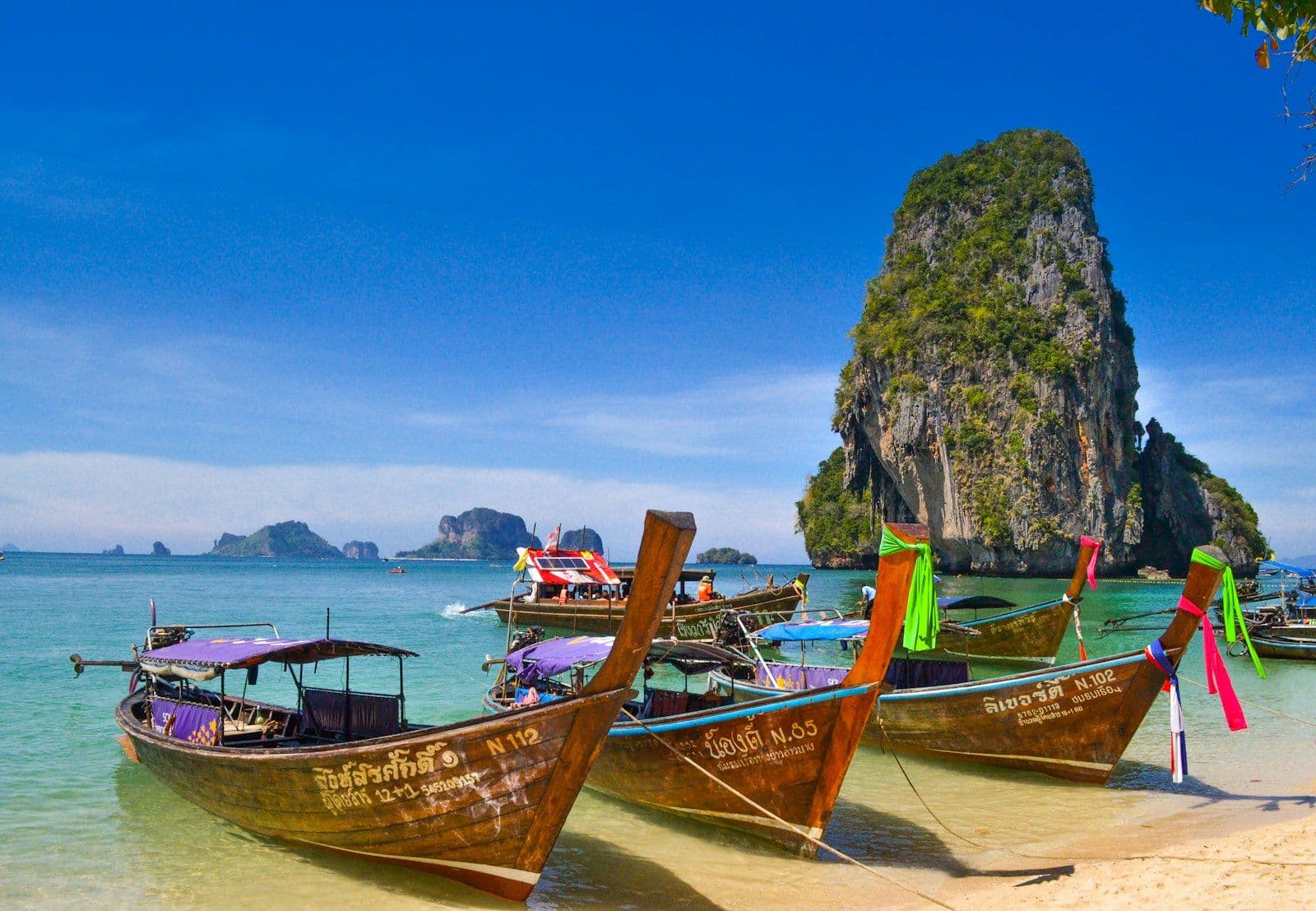
Thailand — travel culture & etiquette guide cover
All countries

Asia · PreGoYa

Thailand

What to know before visiting Thailand — from temple dress codes to the deep respect shown toward monks and the monarchy.

Cultural Quick Check

Head & feetThe head is sacred; feet are lowest — never point them.
TemplesCover shoulders and knees; remove shoes.
MonksWomen should not touch or hand items directly to monks.
The waiA palms-together greeting shows respect.
MonarchyTreated with deep reverence — never joke about it.
ComposureStaying calm and smiling is valued highly.
01

Religion & Temples

What to know

Buddhism shapes daily life. Temples (wat) welcome visitors who dress and behave respectfully.

Why

Temples are living places of worship and merit-making.

Do

  • Cover shoulders and knees
  • Remove shoes before entering
  • Sit with feet pointing away from Buddha images

Avoid

  • Climbing on or posing with Buddha statues
  • Turning your back to a Buddha image for photos
02

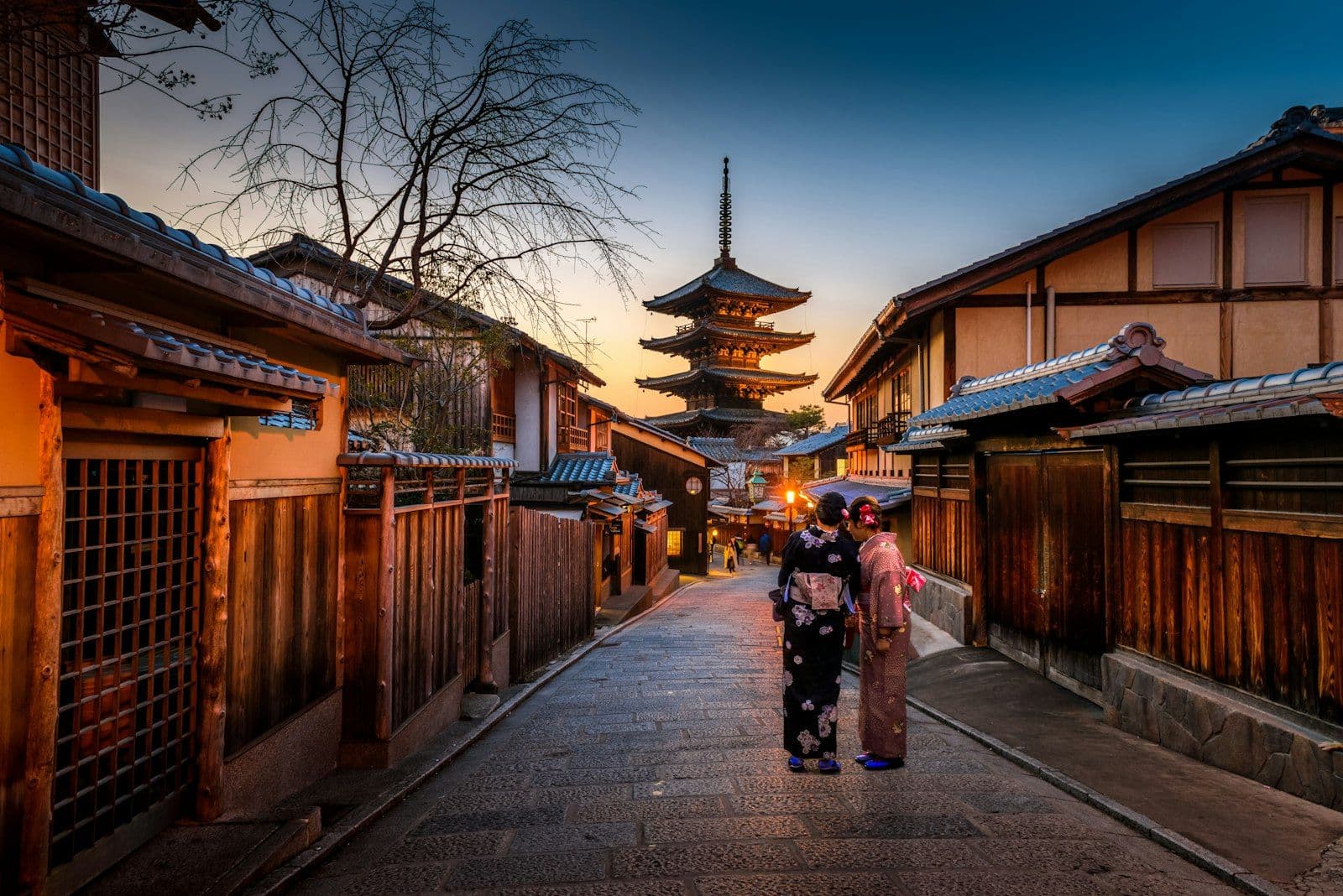
Greetings & The Wai

What to know

The wai — palms together at chest height with a slight bow — is a respectful greeting and thanks.

Why

It communicates respect and acknowledges social relationships.

Do

  • Return a wai when one is offered to you

Avoid

  • Waiing children or service staff first (a nod is fine)
03

Head, Feet & Body

What to know

The head is the most respected part of the body; the feet are the least.

Why

Body hierarchy is tied to spiritual and social meaning.

Do

  • Step over nothing sacred
  • Point with your whole hand, not your foot

Avoid

  • Touching someone's head
  • Pointing your feet at people or images
04

Food & Street Dining

What to know

Thai meals are shared and eaten with a fork and spoon — the fork pushes, the spoon delivers. Street food is world-class and generally safe where locals queue.

Why

Sharing food is central to Thai social life, and busy stalls mean high turnover.

Do

  • Eat with a spoon; use chopsticks only for noodle soups
  • Serve yourself a little from shared dishes at a time
  • Choose stalls with long local queues

Avoid

  • Wasting rice — it is culturally significant
  • Making a scene over spice levels
05

Tipping & Bargaining

What to know

Tipping is not required but is welcome in tourist-facing services. Markets expect friendly bargaining.

Why

Small gratuities supplement modest wages, and haggling is a social ritual, not a fight.

Do

  • Round up taxi fares and leave small change at restaurants
  • Tip guides and spa therapists around 50–100 THB
  • Bargain with a smile at markets

Avoid

  • Bargaining in malls or fixed-price shops
  • Haggling aggressively over a few baht

Don't do this

The things travelers most often get wrong — rated by how much they matter.

Avoid

Don't disrespect the monarchy

Why? It is deeply offensive and also against the law (lèse-majesté).

Avoid

Don't point your feet at people or Buddha images

Why? Feet are considered the lowest, least clean part of the body.

Be Mindful

Don't touch anyone's head

Why? The head is considered sacred, even for children.

Be Mindful

Don't lose your temper in public

Why? Visible anger causes loss of face for everyone involved.

Be Mindful

Don’t haggle aggressively

Why? Bargaining should stay light and friendly; visible anger causes loss of face for both sides.

Why does this matter?

Much of Thai etiquette flows from two ideas: reverence (for Buddhism and the monarchy) and composure ("keeping face"). Once you see behavior through respect and calm, the specific rules become intuitive rather than intimidating.

Written by PreGoYa · Last updated · pregoya@foxmail.com

Common questions

Thailand travel etiquette: FAQ

Do you tip in Thailand?

Tipping is not required but is increasingly welcome. Round up taxi fares, leave 20–50 THB at casual restaurants, and tip guides and spa staff around 50–100 THB. High-end restaurants sometimes add a 10% service charge.

What should tourists wear in Thailand?

Light, breathable clothing is fine in cities and resorts, but temples require covered shoulders and knees for everyone. Remove shoes before entering temple buildings and homes. Beachwear belongs on the beach, not in town.

What are the most common mistakes travelers make in Thailand?

Pointing feet at people or Buddha images, touching someone’s head, dressing immodestly at temples, and joking about the monarchy. Losing your temper in public is also a serious social misstep.

Can women touch or hand things to Buddhist monks?

No. Women should not touch monks or hand items directly to them. Place the item on a cloth or table for the monk to pick up, or give it to a male companion to pass along. This is a monastic rule, not a personal slight.

Going to Thailand soon?

Carry the whole world in your pocket.

Liked Thailand? The World Traveler Guide covers all 30+ destinations — religion, etiquette, dining, dress, and taboos, in one downloadable PDF.

Instant PDF download after payment · Read on any device · No subscription