PreGoYa
India — travel culture & etiquette guide cover
All countries

Asia · PreGoYa

India

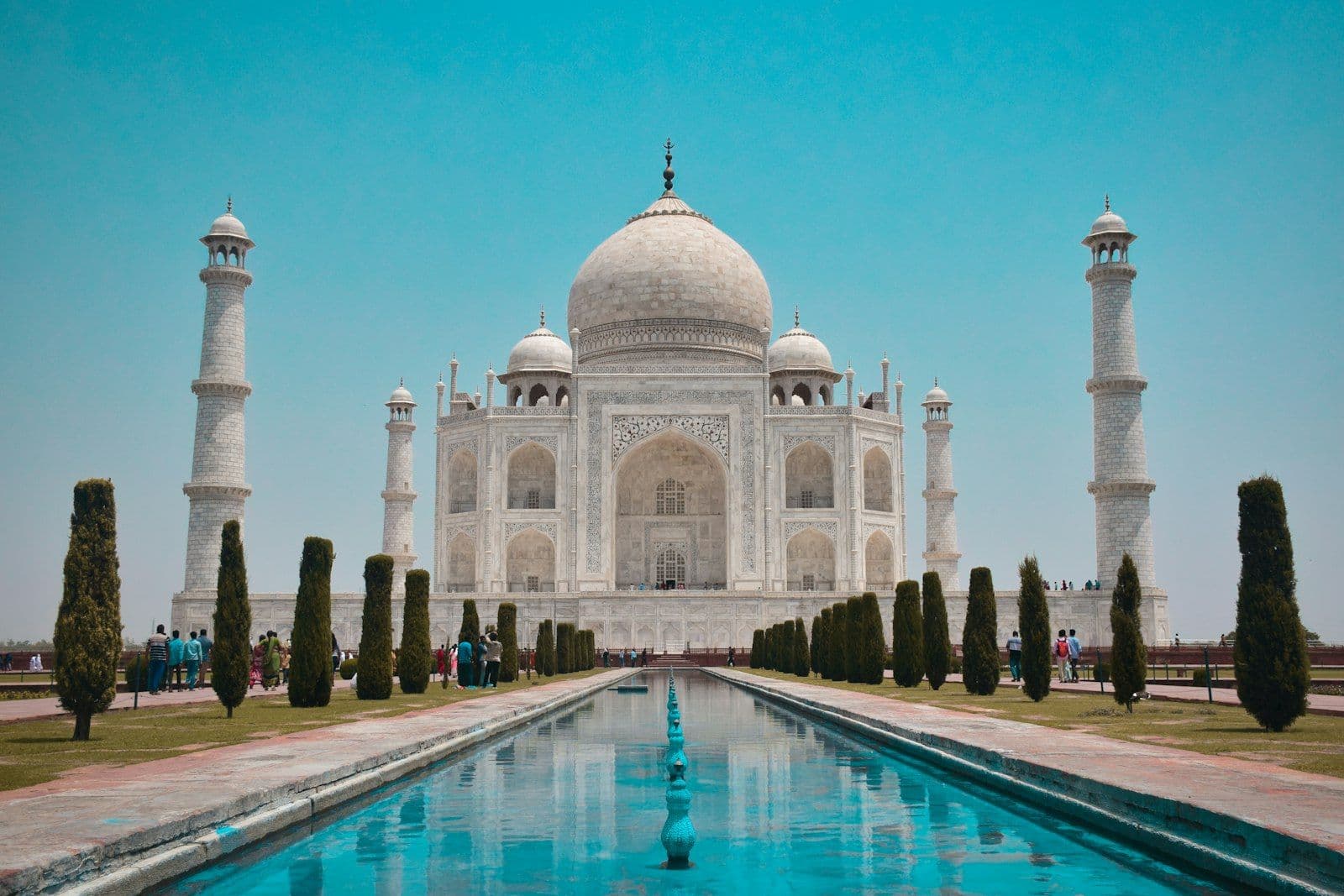
Enormous religious and regional diversity means context is everything. These are the cultural essentials before visiting India.

Cultural Quick Check

TemplesRemove shoes; dress modestly; some limit non-worshippers.
Right handEat and give with the right hand.
GreetingsA "namaste" with palms together is always welcome.
FeetAvoid pointing feet at people or shrines.
DressModesty is appreciated, especially at religious sites.
DiversityCustoms vary widely by region and religion.
01

Religion & Sacred Sites

What to know

Hindu, Muslim, Sikh, Jain, Christian and Buddhist traditions all shape public life. Each site has its own etiquette.

Why

Sacred spaces are active and central to community life.

Do

  • Remove shoes and cover your head where asked
  • Ask before entering inner sanctums

Avoid

  • Photographing rituals or people without asking
02

Greetings & Hands

What to know

"Namaste" with palms pressed together is a respectful, universal greeting. The right hand is used for eating and giving.

Why

It is respectful and avoids assumptions about physical contact.

Do

  • Use the right hand for food and exchanges

Avoid

  • Assuming handshakes with everyone, especially across genders
03

Food & Dietary Norms

What to know

A large share of Indians are vegetarian, and many avoid beef entirely while some avoid pork. Regional food is extremely diverse.

Why

Diet is tied to religion and caste, not just preference.

Do

  • Ask before assuming someone eats meat
  • Try regional thalis for a balanced introduction
  • Eat with your right hand if dining traditionally

Avoid

  • Bringing beef into Hindu areas or pork into Muslim areas
  • Questioning someone’s dietary choices
04

Tipping & Money

What to know

Tipping is common and often expected in tourist contexts, though amounts are modest by Western standards.

Why

Service wages are low, and tips make up a meaningful share of income.

Do

  • Tip around 10% at restaurants if no service charge
  • Tip hotel porters ₹50–100 per bag
  • Tip private guides ₹300–500 per day

Avoid

  • Over-tipping dramatically, which can create awkward expectations
  • Assuming rounding up is an insult — it is fine for taxis
05

Photography & Consent

What to know

India is visually overwhelming, and photography is welcome in many places — but people, rituals, and military sites are different matters.

Why

Consent matters, especially at ghats and religious ceremonies.

Do

  • Ask before close-up portraits
  • Check for camera fees at monuments

Avoid

  • Photographing cremation ghats
  • Shooting rituals without permission

Don't do this

The things travelers most often get wrong — rated by how much they matter.

Avoid

Don't wear shoes into temples

Why? Sacred floors are kept ritually clean; shoes are always removed.

Be Mindful

Don't show public affection

Why? In many areas, couples keep displays of affection private.

Be Mindful

Don't photograph people without asking

Why? It can feel intrusive, particularly at religious sites.

Be Mindful

Don’t discuss caste or religious politics

Why? These are deeply sensitive subjects that can cause genuine discomfort.

Why does this matter?

India rewards curiosity and humility. Because customs shift by region, faith, and family, asking politely and following local cues matters far more than memorizing a single set of rules.

Written by PreGoYa · Last updated · pregoya@foxmail.com

Common questions

India travel etiquette: FAQ

Do you tip in India?

Yes, usually modestly. Around 10% at restaurants if no service charge is added, ₹50–100 per bag for porters, and ₹300–500 per day for a private guide. Rounding up auto-rickshaw fares is common practice.

What should tourists wear in India?

Modest, loose clothing is the safest choice. Cover shoulders and knees, especially at temples, mosques, and in rural areas. Remove shoes at temples and homes. Lightweight cotton works well in the heat.

What are the most common mistakes travelers make in India?

Wearing shoes into temples, using the left hand for food or giving, photographing people without asking, and public displays of affection. Assuming all of India follows one set of customs is the biggest error of all.

What religions matter most for travelers to understand in India?

Hinduism, Islam, Sikhism, Jainism, Buddhism, and Christianity all shape daily life. Practical essentials: remove shoes and cover your head at a gurdwara, dress modestly at mosques and temples, and ask before entering inner sanctums.

Going to India soon?

Carry the whole world in your pocket.

Liked India? The World Traveler Guide covers all 30+ destinations — religion, etiquette, dining, dress, and taboos, in one downloadable PDF.

Instant PDF download after payment · Read on any device · No subscription