Etiquette Around the World
Shoes-Off Cultures Explained: Where, Why and How
From Japan’s genkan to the marae of New Zealand, a practical guide to the countries where shoes come off at the door — and how to tell.
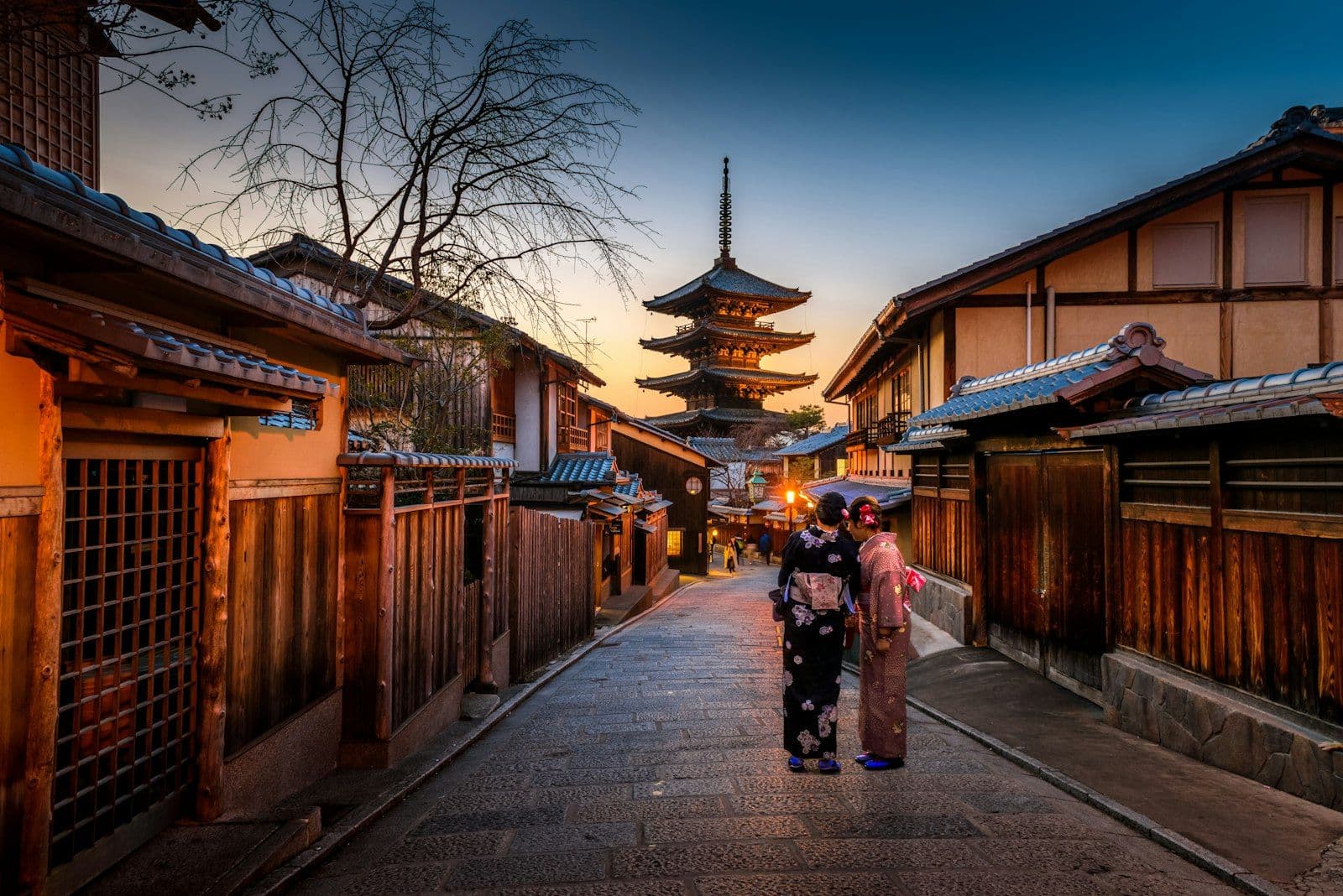
Taking your shoes off indoors is one of the most widespread customs on earth, and one of the easiest to miss. In much of Asia, the Middle East, the Pacific and Scandinavia, outdoor shoes simply do not cross the threshold of a clean floor.
Why the custom exists
The logic is practical before it is spiritual: floors are where people sit, eat and sleep in much of the world, so the dirt stays outside. In Japan and Korea, the distinction is built into the architecture. In Islamic and Hindu contexts, cleanliness also carries ritual meaning.
Where it applies
- Japan: homes, ryokan, many restaurants, temple interiors and any tatami room. Look for the genkan step.
- South Korea: homes and any restaurant with floor seating.
- China: homes, and some traditional guesthouses and temple halls.
- Thailand and Cambodia: temple buildings, and homes.
- India: temples, mosques, and most homes.
- New Zealand: homes and all marae.
- Nordic countries and Canada: homes, and some schools and offices.
How to tell
Look for three signals: a step up at the entrance, a shoe rack or shelf, and a row of shoes already parked by the door. Any one of them is your answer.
Practical tips
- Wear shoes that slip on and off easily — you will do it many times a day in Japan.
- Wear socks without holes. You will be seen in them.
- Point your shoes toes-outward when you leave them at the door.
- Use the separate toilet slippers in Japan, and never wear them back out.
- Never step on tatami in outdoor shoes or slippers.
Go deeper
Written by
PreGoYa
PreGoYa publishes practical cultural guides for travelers — what to know, what to avoid, and why it matters. Every guide explains the reasoning behind a custom so it makes sense rather than feeling like a rule to fear. Questions or corrections? pregoya@foxmail.com
Last updated