Things Not To Do
15 Things Tourists Should Never Do in Japan
From chopstick etiquette to shoes at the door, these are the Japan travel mistakes locals notice most — and how to avoid every one of them.
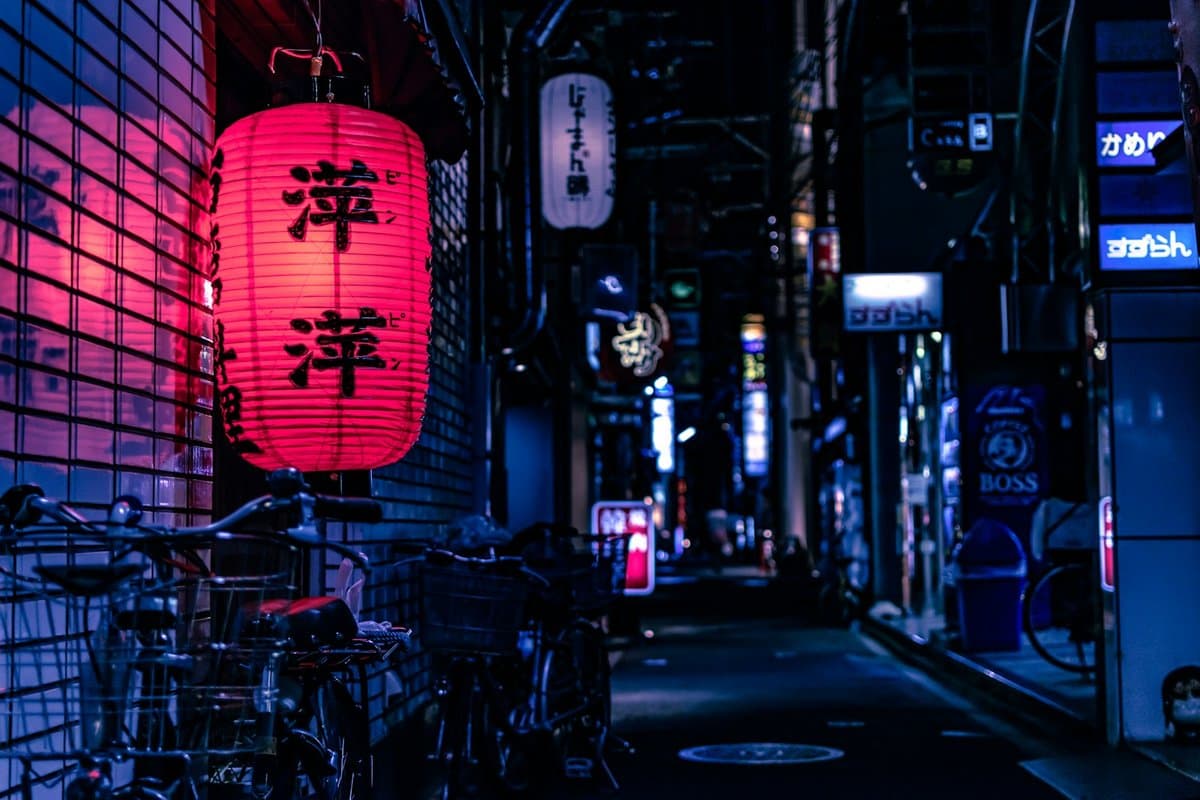
Japan is a polite country, but politeness here is not about smiling at strangers. It is mostly about not imposing on them — in shared space, in noise, in queues, in the small physical rituals of daily life. Almost every "rule" visitors find baffling comes back to that single idea.
At the table
- Never stick chopsticks upright in a bowl of rice. It echoes a funeral rite and reads as deeply unlucky.
- Never pass food chopstick-to-chopstick. That also mirrors a funeral custom.
- Do not pour your own drink in a group. Pour for others and let them pour for you.
- Slurping noodles is fine — genuinely. It cools the noodles and signals enjoyment.
Say "itadakimasu" before you start and "gochisousama deshita" when you finish. Both are small, and both are noticed.
Shoes, doors and floors
- Take your shoes off at the genkan — the sunken entrance area of homes, ryokan and many restaurants.
- Never step on tatami in outdoor shoes or in the toilet slippers. There is a separate pair for a reason.
- If you see a step, a shoe rack or waiting slippers, that is your cue to remove them.
In public
- No phone calls on trains. Set the phone to silent and step off if you must answer.
- Let passengers exit before you board, and queue at the marked door positions.
- Do not eat while walking in crowded areas — finish it where you bought it or take it home.
- Keep your voice down. Carriages on Japanese trains are noticeably quiet.
Money and gratitude
Do not tip. Good service is considered standard and is already priced in, so leaving cash usually produces confusion rather than thanks. If you want to show real appreciation, a small wrapped gift or a sincere thank-you works far better.
At shrines and temples
- Purify your hands at the temizuya before approaching the main hall.
- Bow slightly at the torii gate on the way in and out.
- Never block prayer areas for a photograph, and check for no-camera signs inside halls.
Tattoos and onsen
Tattoos are still associated with organised crime in Japan and many onsen, gyms and pools refuse entry. Cover small pieces with a bandage, or book a private bath (kashikiri).
None of this is difficult once you see the logic behind it. Most Japanese people do not expect visitors to know every custom — they are simply relieved when someone makes an obvious effort.
Go deeper
Written by
PreGoYa
PreGoYa publishes practical cultural guides for travelers — what to know, what to avoid, and why it matters. Every guide explains the reasoning behind a custom so it makes sense rather than feeling like a rule to fear. Questions or corrections? pregoya@foxmail.com
Last updated