Religion & Culture
Temple Etiquette in Thailand: A First-Timer’s Guide
What to wear, where to stand, how to sit, and how to behave around monks and Buddha images at a Thai wat — without second-guessing yourself.
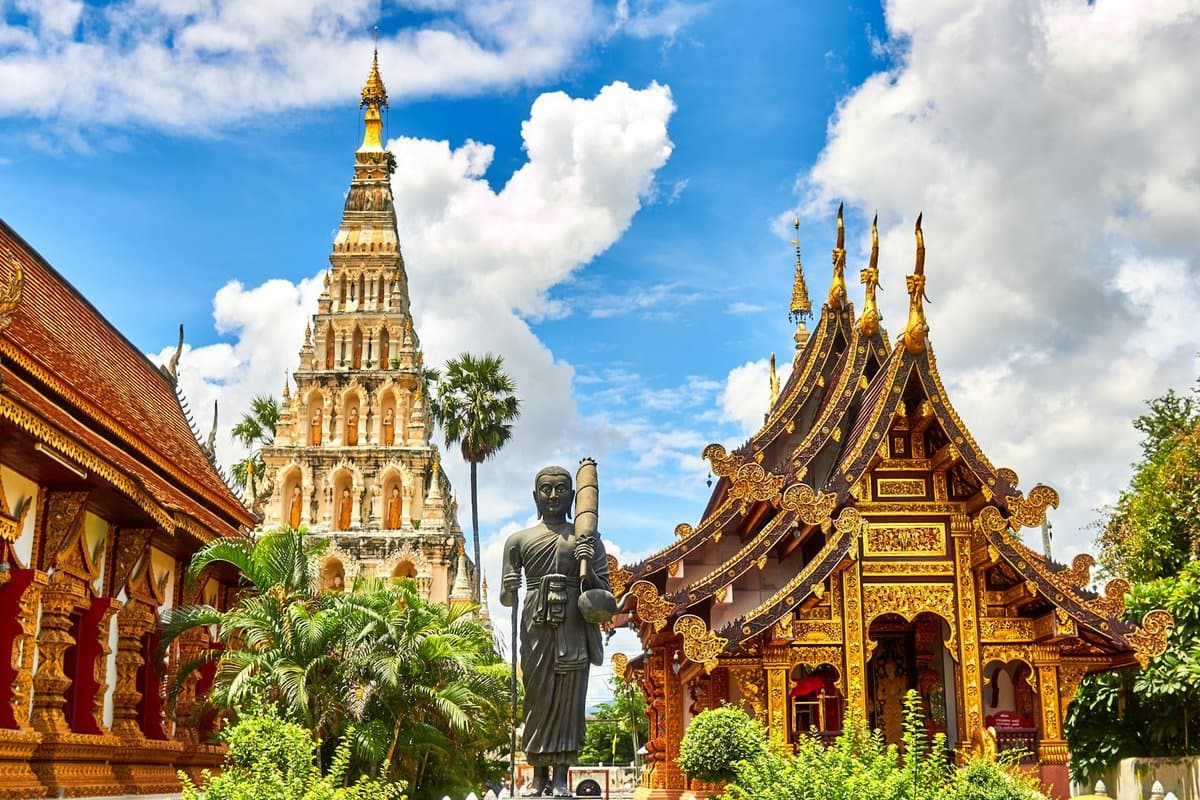
A Thai wat is not a museum. It is an active place of worship and merit-making, and the people you see there are usually there to pray, not to be looked at. That single fact explains almost everything about how to behave.
What to wear
- Cover your shoulders and your knees — for everyone, regardless of gender.
- Avoid see-through or very tight clothing.
- Remove hats and sunglasses before entering a temple building.
- Many major temples rent or lend sarongs at the entrance if you are underdressed.
Shoes and thresholds
Remove your shoes before stepping into any building that contains a Buddha image. If in doubt, watch what people do at the door. Do not step on the raised threshold — step over it.
How to sit
- Sit with your legs folded to one side, or kneel with your feet tucked behind you.
- Never point the soles of your feet toward a Buddha image or a monk.
- Stand when monks enter or pass.
Around monks
Women must not touch a monk or hand anything directly to him. Place the item on a cloth or table, or give it to a man to pass along. This is a monastic rule, not a personal rejection.
Photography
Photographing buildings is usually fine. Photographing Buddha images is generally acceptable from a respectful distance, but never climb on a statue or pose with your back turned to the image. Always ask before photographing people, and never photograph anyone who is praying.
Get these basics right and Thai temples become one of the calmest, most welcoming parts of a trip rather than a source of anxiety.
Written by
PreGoYa
PreGoYa publishes practical cultural guides for travelers — what to know, what to avoid, and why it matters. Every guide explains the reasoning behind a custom so it makes sense rather than feeling like a rule to fear. Questions or corrections? pregoya@foxmail.com
Last updated